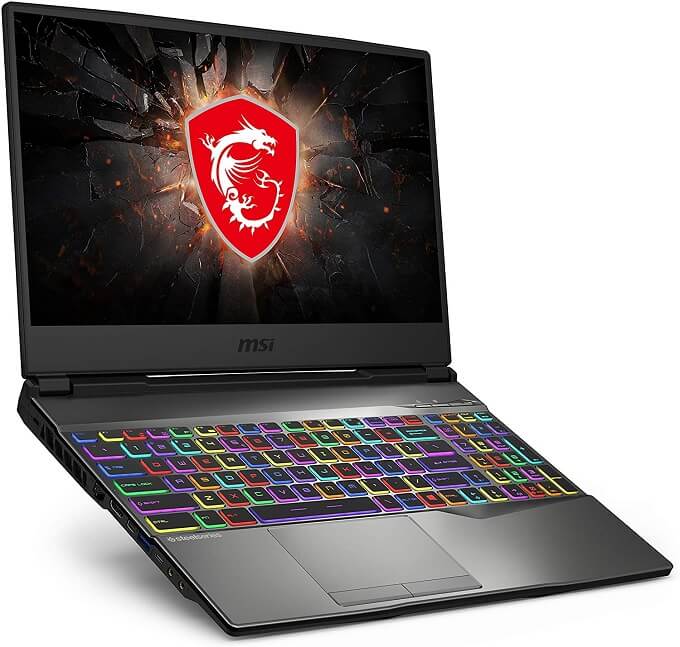
The GPU or Graphical Processing Unit is a dedicated microchip that is designed to specifically do graphics-related tasks at a much faster rate than a CPU or Central Processing Unit.
In general, GPUs handle the visual side of video games as well as video editing software, graphic design, 3D design and other similar tools. Recently, GPUs have also been put to use doing certain non-graphics tasks like cryptocurrency mining, which works well with their unique internal design.
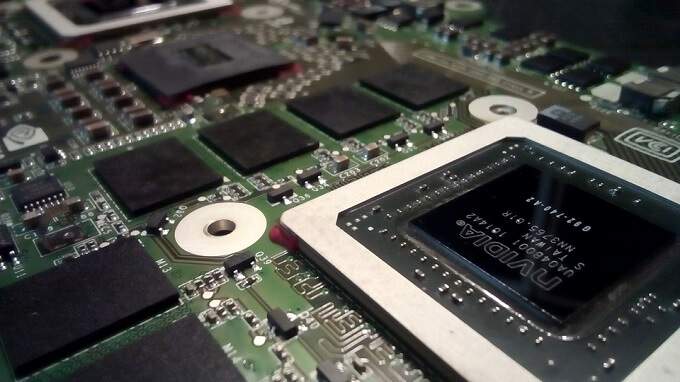
The Difference Between a GPU And CPU
Every computer, whether a laptop, tablet or gaming console, has a CPU. The CPU is the brain of the machine. When you run software on your device, it’s the CPU that follows the instructions and does all the necessary math. Of course, every microchip executes instructions, so what makes a CPU special?
Most modern CPUs have four CPU cores, although this number is rapidly growing. The number of calculations a CPU can do at the same time is limited by the number of cores. But a CPU is very good at doing a small number of complex calculations of any type, very quickly, one after the other.
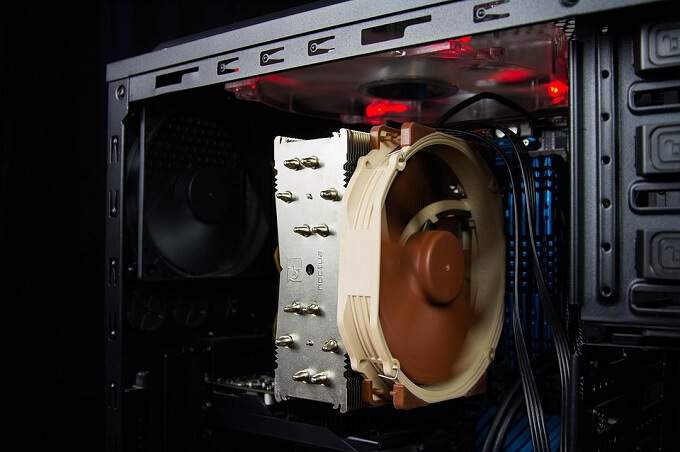
However, modern GPUs have a very different design philosophy. Instead of a small number of complex, full-function processing cores, they have hundreds or thousands of simple processor cores that are designed to execute instructions in parallel, specifically related to graphics.
For example, an instruction to shade a pixel in the image a certain way. Modern computer displays have millions of pixels. To render and animate realistic 3D graphics at smooth frame rates demands this massive parallel-processing power. So if you want to process lots and lots of simple commands at the same time, you want a GPU.
Are GPUs And Graphics Cards The Same Thing?
It’s become common to use the terms “GPU” and “graphics card” interchangeably. Which leads to situations where someone will say that their computer doesn’t have a GPU, but what they really mean is that the computer doesn’t have a graphics card.
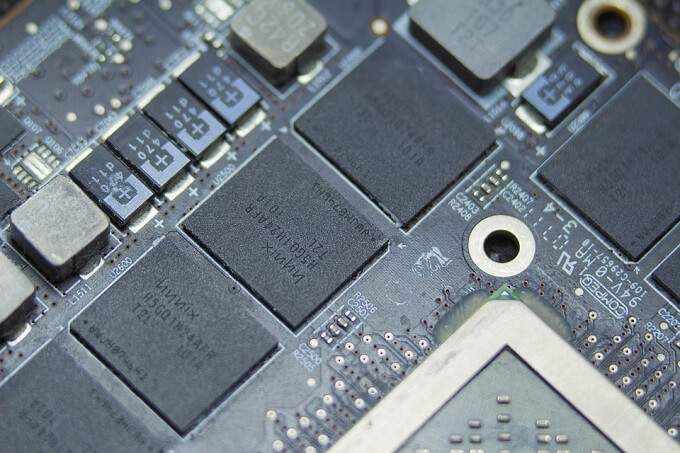
What is a GPU? The GPU refers specifically to the microprocessor itself, but of course a GPU can’t operate by itself. It needs other components to do its job. So let’s go over the different ways that GPUs are packaged.
Graphics Cards
A graphics card is a discrete device that plugs into a standard slot on your computer motherboard. It consists of the printed circuit board, the GPU, memory, display connectors, power connectors and other various components that the GPU needs.
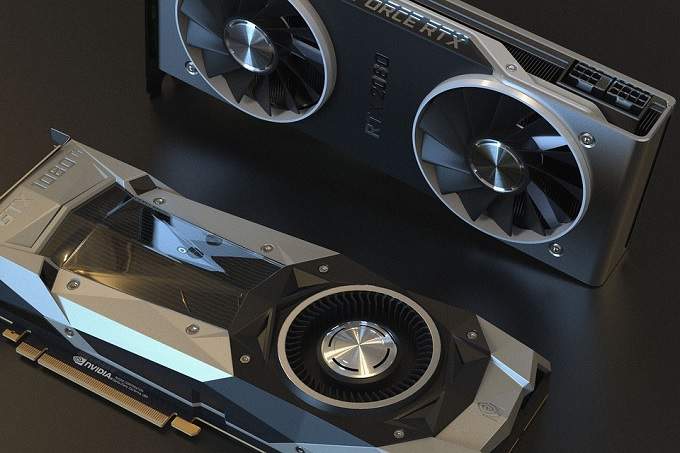
Graphics cards also have dedicated cooling systems that help keep the GPU within a safe operating temperature. The main benefit of graphics cards is that they can be easily replaced with newer models without the need to replace the entire computer or motherboard.
Integrated GPUs
Integrated GPUs are built into the same housing as a CPU. So a computer equipped with one of these does not need a separate graphics card in order to work. Display connectors are provided by the motherboard and the GPU shares the same pool of memory as the CPU. Of course, the CPU and GPU also share the same cooling system and power supply.
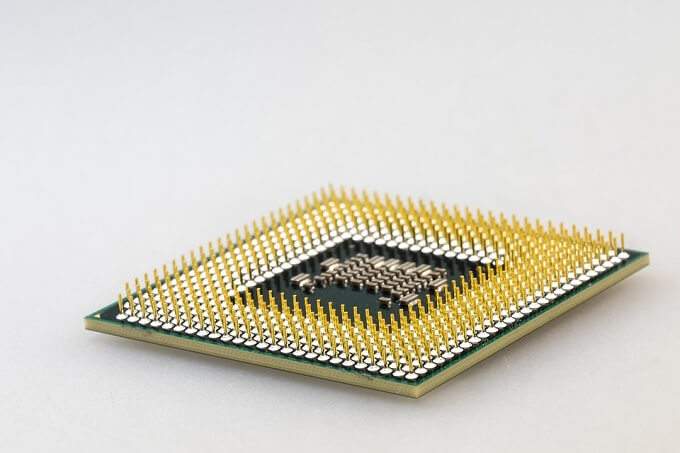
Integrated GPUs are pretty powerful these days and some can even be used for modest video game graphics, but their main advantage is cost and space savings. Which is why they are a popular solution in many laptops.
Tablets and smartphones also have integrated GPUs, but these are part of a “system on a chip” package. On computers, only the CPU and GPU share the same package In the case of SoCs, the RAM, storage, peripheral controllers and other components that make up the entire system are all on the same silicon package.
Dedicated GPUs